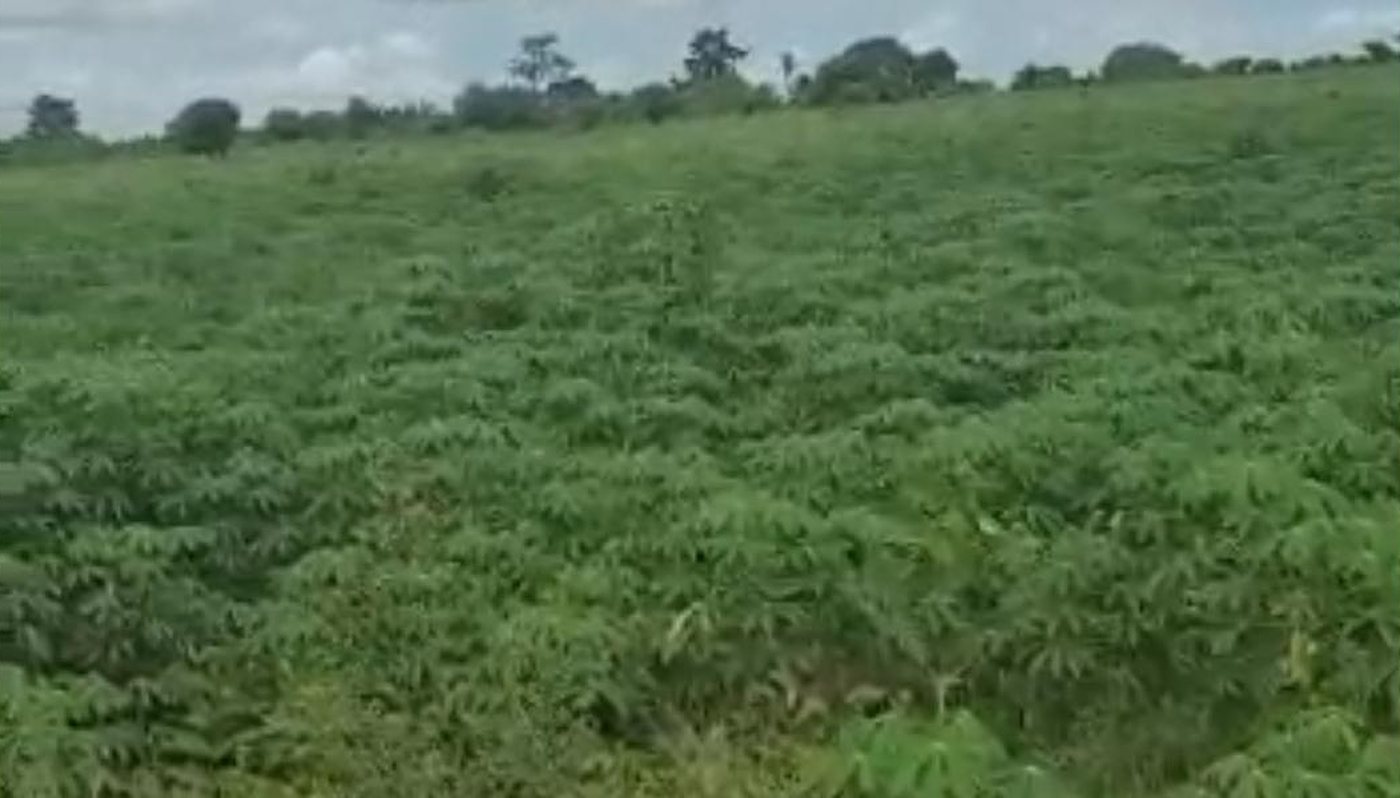
Ask most investors about agriculture in Ghana and they will mention cocoa. Yet the crop on more Ghanaian plates every single day is cassava. It thrives on modest soils, tolerates drought better than most staples, and can be harvested across a flexible window — a built-in insurance policy that few crops offer. For an investor, that resilience matters as much as any projected return.
The real opportunity, however, is not in the root itself but in what it becomes. Fresh cassava is bulky, perishable and cheap; processed cassava is shelf-stable and valuable. A tuber worth pennies becomes premium gari, industrial starch for breweries and paper mills, gluten-free flour for bakeries, ethanol for pharmaceuticals, and affordable animal feed for poultry and pig farmers. Each step up the value chain multiplies the price — and Ahodwo Farms operates across all of them.
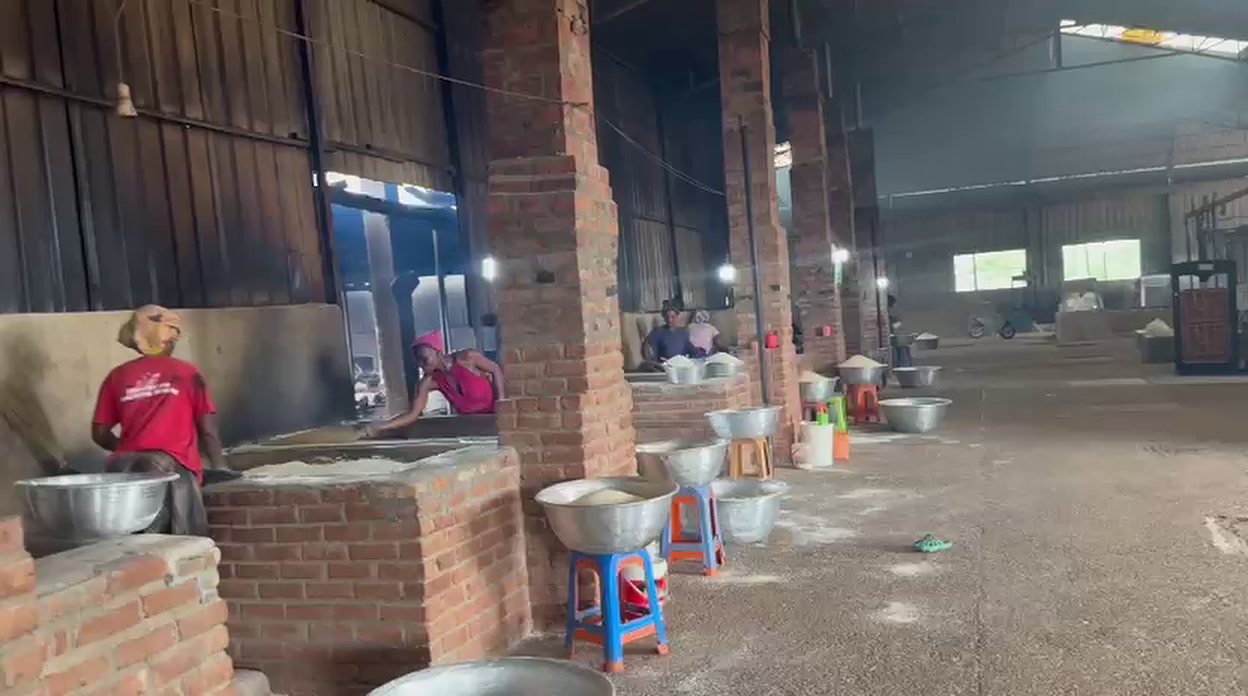
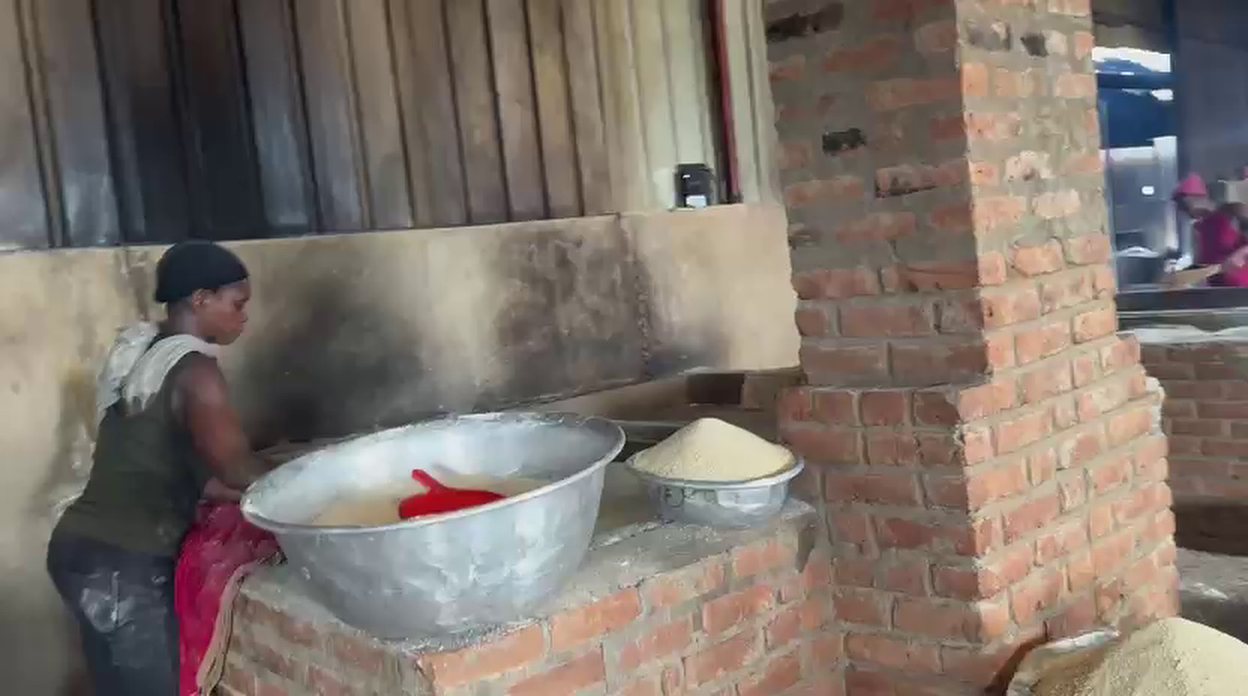
Demand is not theoretical. Our factory receives standing orders for about 500 bags of gari a week and can currently produce 60–70. Ghana still imports industrial starch and much of its animal feed inputs, while regional markets from Nigeria to Burkina Faso absorb whatever quality gari crosses the border. We are supply-constrained in a demand-rich market — the most comfortable position any producer can invest from.
What makes cassava investment different from buying shares in an abstract fund is that the collateral is visible. Investors in our Seed, Growth and Harvest plans are backing 1,400 acres of land under management, a working factory at Juapong, 400+ employees and a network of 850+ out-grower farmers. You can visit the farm, walk the rows, and watch the frying lines run — and we encourage every serious investor to do exactly that.
Honesty requires stating the risks too. Agriculture faces weather, price movements and operational challenges, and no return on a farm investment is ever guaranteed. We manage those risks through irrigation planning, staggered planting, diversified products and processing margins that cushion raw-crop price swings — but you should invest only what fits your risk appetite, and always read the plan terms.
Beyond the returns, a cedi invested in cassava processing does social work: it pays young wages (70% of our workforce are women), guarantees prices for smallholder out-growers, and keeps value that would otherwise leave Ghana inside the Volta Region. Explore the plans on our Invest page — from the 6-month Seed plan to the 24-month Harvest plan — and join us in cultivating wealth from cassava.